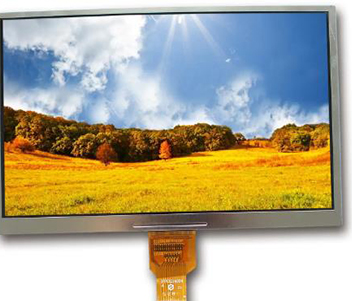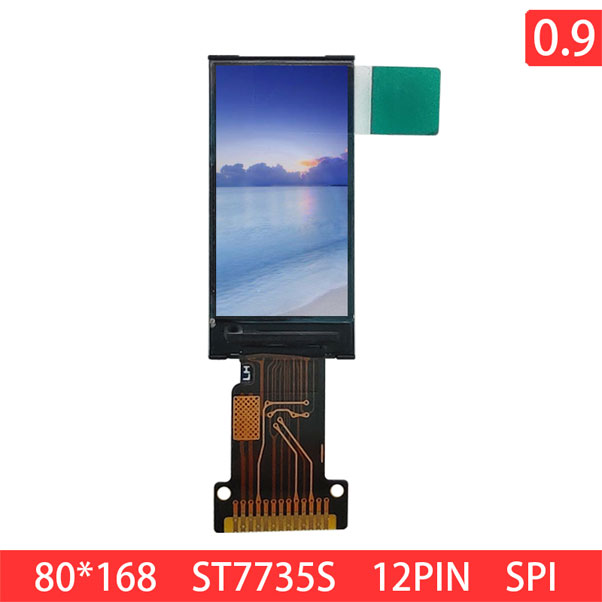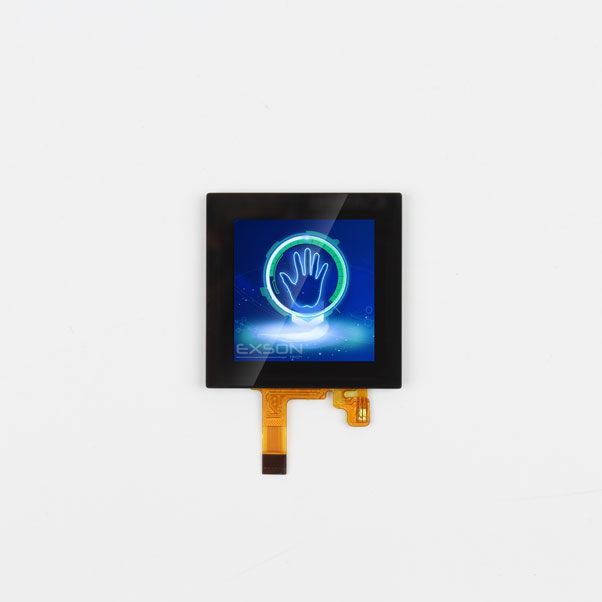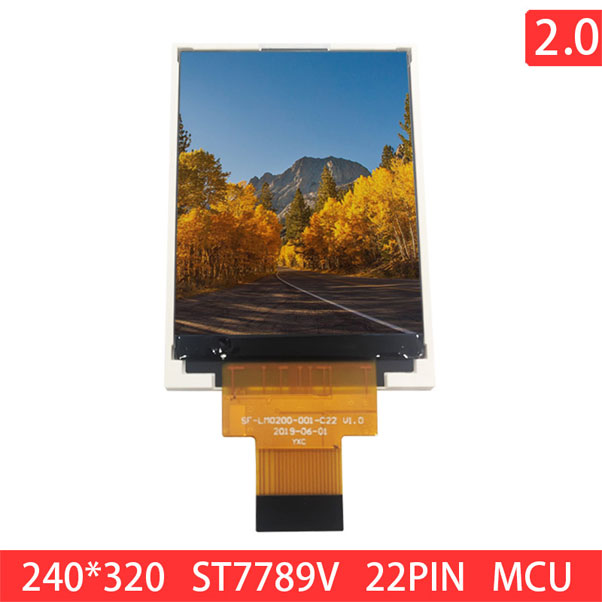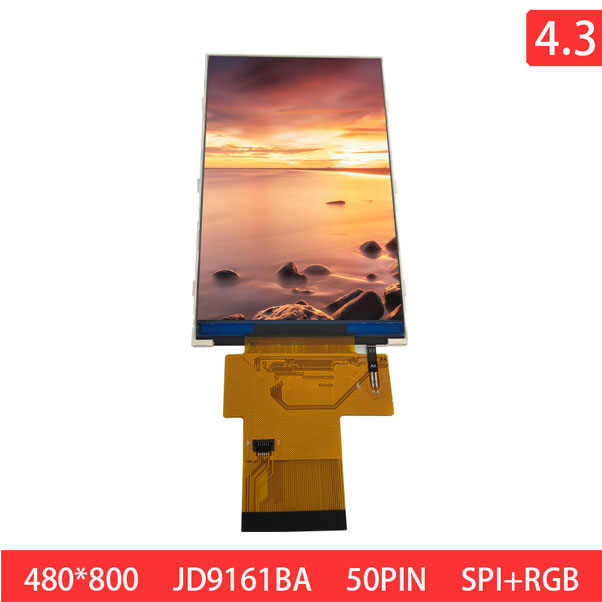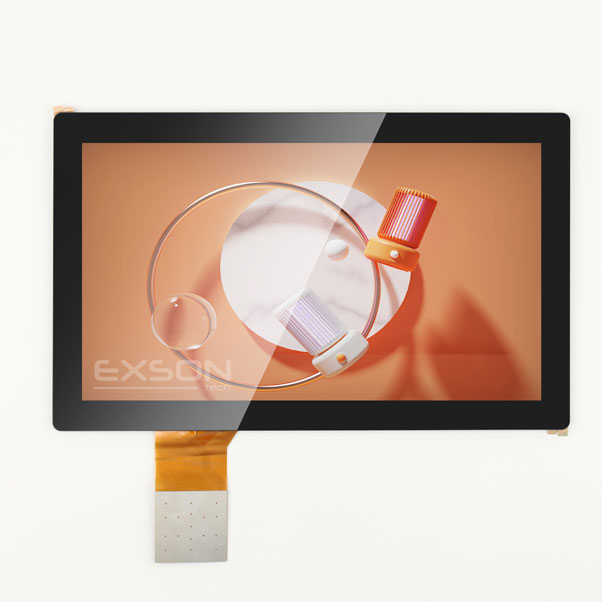
With the development trend of industrial automation and intelligence, the integration of industrial TFT display and embedded system has become the key to improve the efficiency of human-computer interaction and the overall performance of the system. This article will explore the advantages, implementation, application scenarios, and future trends of this integration.
Integrating industrial TFT display, like 12.1 TFT LCD, with embedded system offers many advantages. First of all, this integrated way can greatly improve the response speed and data processing ability of the system, and achieve fast and accurate human-computer interaction. Secondly, embedded systems usually have the characteristics of low power consumption, small size, high reliability and so on, which can meet the strict requirements of industrial environment for equipment. Finally, through integration, the modular and standardized design of the equipment can be achieved, reducing the development cost and maintenance difficulty.
To realize the integration of industrial TFT display and embedded system, we need to pay attention to the following aspects. First of all, choose the appropriate embedded processor and operating system to ensure that the system has strong data processing capabilities and stability. Secondly, according to the application requirements, the appropriate hardware interface and software protocol are designed to realize the communication and data exchange between the display and the embedded system. Finally, the system is tested and verified to ensure the stability and reliability of the system.
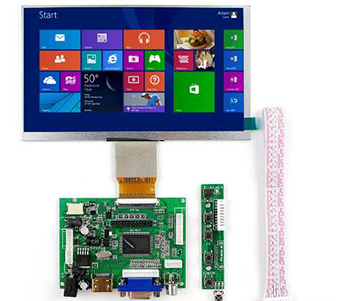
In terms of hardware interface design, standard interface protocols can be used, such as HDMI, LVDS, etc., to achieve video signal transmission between the display and the embedded systems. In terms of software protocol design, the corresponding drivers and applications can be developed based on the operating system of the embedded system to realize the reception, processing and display of data.
The integration of industrial TFT display and embedded systems is widely used. In the field of industrial automation, it can be used for equipment monitoring, control, debugging and other operations to improve production efficiency and quality. In the field of intelligent manufacturing, it can be used for product display, operation guidance, fault diagnosis, etc., to improve user experience and product competitiveness. In addition, it is also widely used in intelligent transportation, security monitoring and other fields.
Taking industrial automation as an example, real-time monitoring and remote control of equipment can be achieved by integrating industrial TFT display with embedded systems. The operator can view the operating status and production data of the equipment through the display, and perform parameter setting and operation control through the touch screen or keyboard. At the same time, the embedded system can also process and analyze the collected data to provide strong support for production decisions.
With the continuous progress of technology and the continuous expansion of application scenarios, the future development prospect of integrated industrial TFT display and embedded system is broad. On the one hand, with the development of new display technology and embedded processors, the performance of the system will be further improved to meet the needs of higher levels of application. On the other hand, with the popularization and application of technologies such as the Internet of Things and artificial intelligence, integrated industrial TFT display and embedded systems will play an important role in more fields to achieve intelligent, networked, remote and other functions of equipment.
In short, integrating industrial TFT display with embedded systems is the key to achieving efficient human-computer interaction and improving overall system performance. Through the selection of appropriate hardware and software, the design of reasonable interfaces and protocols, strict testing and verification and other measures, you can create a stable performance, rich function system, to provide strong support for the development of industrial automation and intelligence.
 Application Analysis of the LCD Round LCD ScreenMay 26, 2023LCD round LCD screen - as the name suggests, is a circular shaped LCD screenMost of the LCD screens we normally encounter are square or rectangular, and circular screens are relatively rare. However, ...view
 Navigating the Future: The Wonders of LCD Touch ScreensNovember 17, 2023In the ever-expanding landscape of interactive technology, LCD touch screens have become the unsung heroes, transforming the way we engage with our digital devices. From smartphones and tablets to int...view
 The Importance of Clean Rooms in the Production Process of Industrial LCD ScreensAugust 4, 2023We will discuss the importance of clean rooms in the production process of industrial LCD screens. Let's start with the definition.A clean room is not simply defined as a clean space. In fact, it ...view
 Do You Know What Types of LCD Displays Are There?September 26, 2022As the mainstream technology in the display industry, LCD display has several types, each with different characteristics.Ⅰ. TN LCD module panel: The biggest feature of TN is that the price is relativ...view
 What Are the Characteristics of LCD Display Panels?September 26, 2022Ⅰ. What are the characteristics of LCD display panels?1. The body is thin and space-saving: Compared with the bulky CRT display, the LCD display panel only needs one-third of the space of the former....view
 Enhancing the Gaming Experience with TFT Display Touch ScreensDecember 8, 2023In the ever-evolving landscape of gaming technology, one innovation stands out as a game-changer—TFT display touch screens. These sleek and responsive screens have taken the gaming experience to new ...view
 Call us on:
  Email Us:
  2F-M1 XiaWei Industrial Park, GuanLan, LongHua District, SZ, China
  www
www