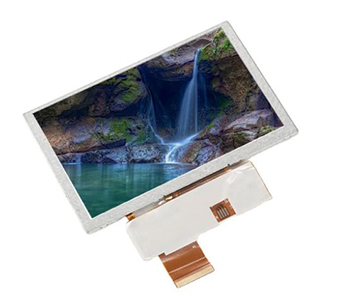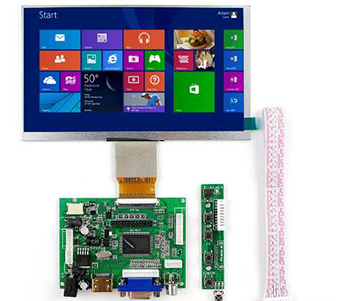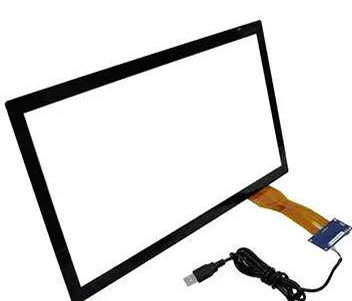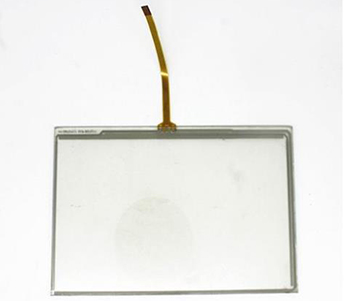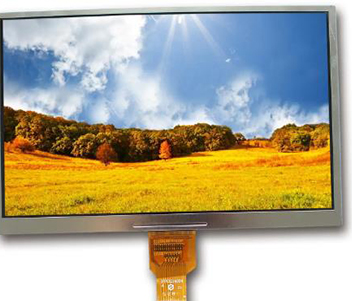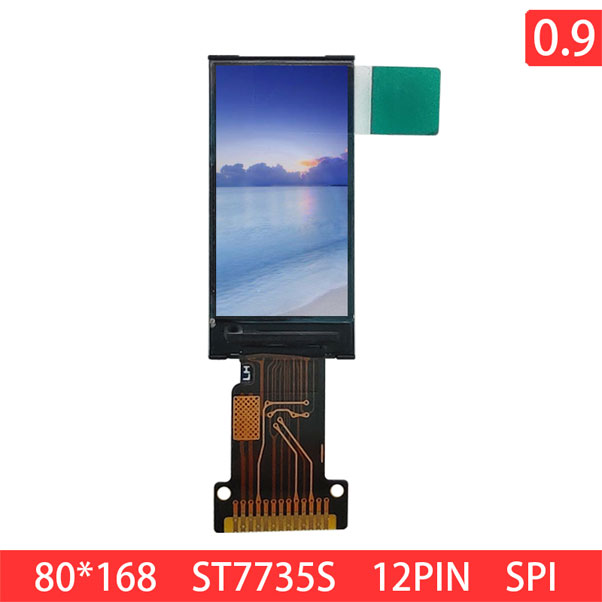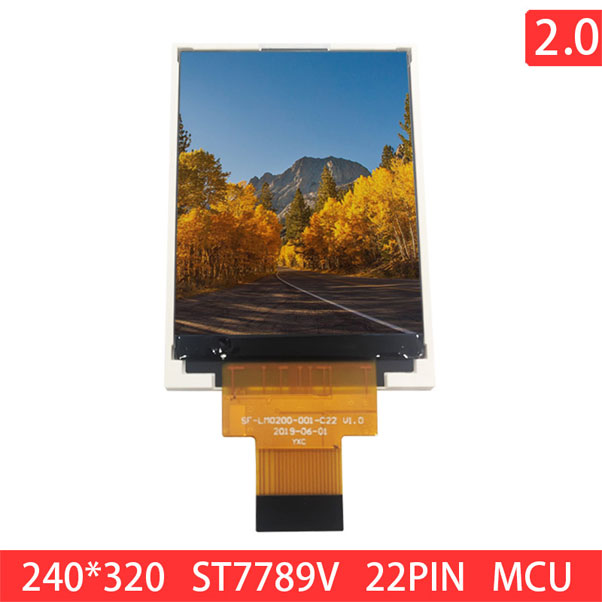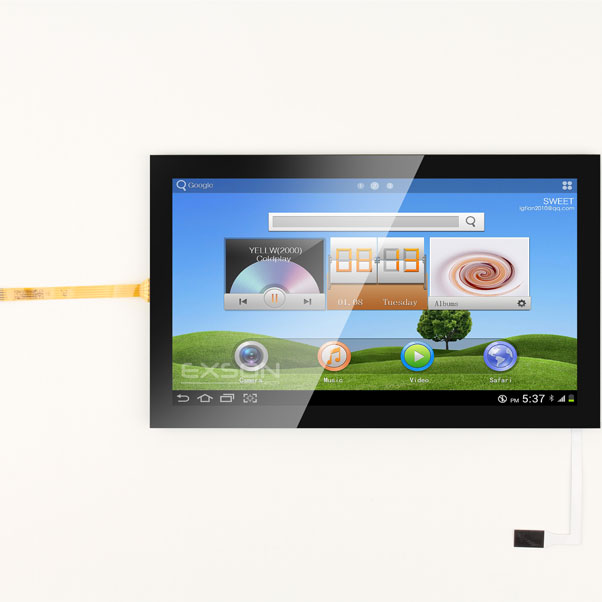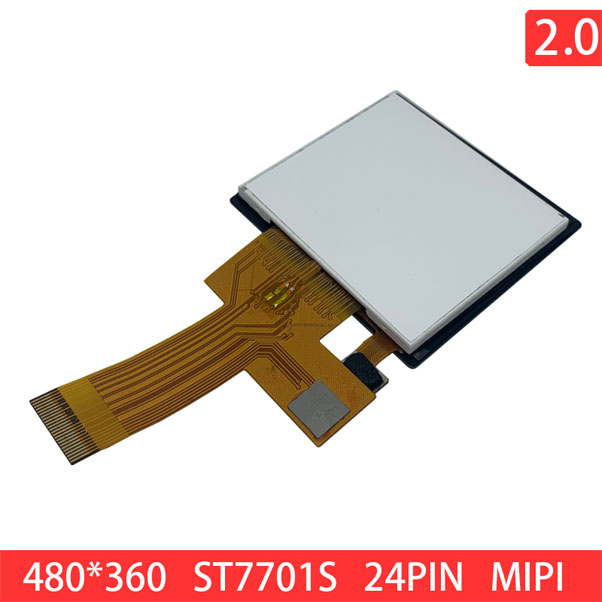
Customers often ask us about the difference between LCD and LED. Seen below will explain it in detail for you.
1. Brightness:
the response speed of a single element of the LED display is 1000 times that of the LCD, and its brightness is more advantageous than the LCD. The LED display can also be looked after under strong light, and adapt to A low temperature of minus 40 degrees.
2. Power consumption:
Power consumption is the most concerned point. Compared with LCD, the ratio of LED power consumption is about 10:1. In this regard, LED has great advantages.
3. Viewing angle:
The angle of the liquid crystal display panel is very limited, which is a very lively and troublesome problem. As long as the deviation angle is slightly larger, the original color cannot be seen, or even nothing; and the LED It can provide a viewing angle of up to 160°, which is a great advantage.
4. Refresh rate:
LED converts electrical energy into light energy, using the injection principle, so its refresh rate is higher, and then it is better in video processing.
5. The contrast ratio:
The currently known relatively high-contrast LCD display is 350:1, but in many cases, it cannot meet various needs, but the LED display can reach higher and be used more widely.
6. Appearance:
LED is based on light-emitting diodes, and its display can be thinner than LCD.
7. The scope of use:
LED display has a wider application range than LCD display panel. It can display various characters, numbers, color images and animation information, and can also play color video signals such as TV, video, VCD, DVD, etc. More important What's more, you can use multiple display screens for network broadcasting.
8. Service life:
LED display can generally support about 100,000 hours. Under normal circumstances, it can be used for decades, while LCD is much less.
9. Color:
LED screen color is more realistic than LCD screen, this is because the color gamut of LED TV is much more than LCD.
 The Difference between OLED and TFT DisplaysDecember 9, 2022OLED is one of the hottest concepts in the current display industry, and OLED itself has many advantages. For another concept in the real industry - TFT, perhaps not so many people know about it. Toda...view
 Analysis of the Causes of Chromatic Aberration in TFT LCDOctober 27, 2020Some customers will ask us why there is a chromatic aberration in the same TFT LCD screen? The so-called chromatic aberration of a TFT LCD screen means that when two LCDs of the same model are placed ...view
 Exploring the Dynamic Touch Panel Module Market Trends and ForecastsJanuary 25, 2024In a technologically driven world, touch panel modules have become an integral component across a range of industries. From smartphones and tablets to automotive and industrial applications, these mod...view
 Difference Between LCD and TFT ScreenOctober 31, 2022LCD refers to a liquid crystal display, and TFT is a type of LCD. The former is dedicated to desktop computers and the latter is dedicated to notebooks. So, what are the differences between lcd and tf...view
 Design of LCD Screen Assembly CasingAugust 4, 2023When designing the LCD liquid crystal display enclosure, we should follow some basic principles, with the most important parameters being the size of the LCD screen and the display area. Below, we wil...viewHow Touch Panel Modules Shape User ExperiencesJanuary 25, 2024In the fast-paced world of technology, user interfaces play a pivotal role in shaping our interactions with devices. Among the innovative solutions driving this evolution is the touch panel module, a ...view
 Call us on:
  Email Us:
  2F-M1 XiaWei Industrial Park, GuanLan, LongHua District, SZ, China
  www
www