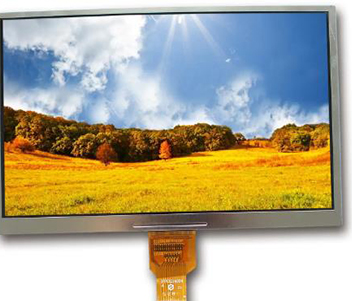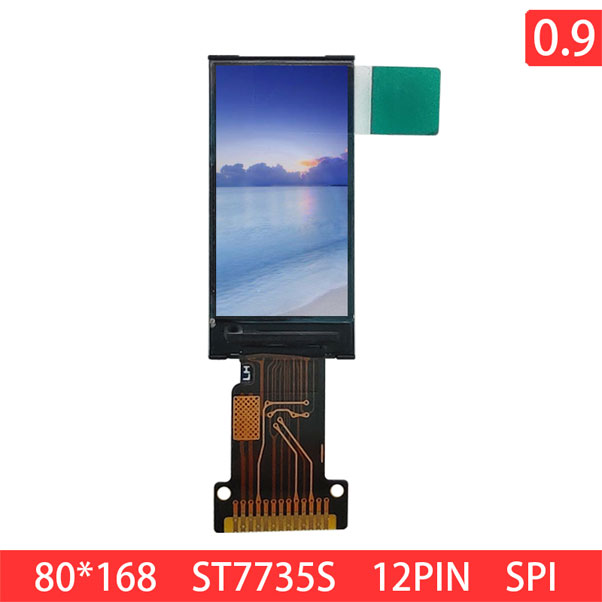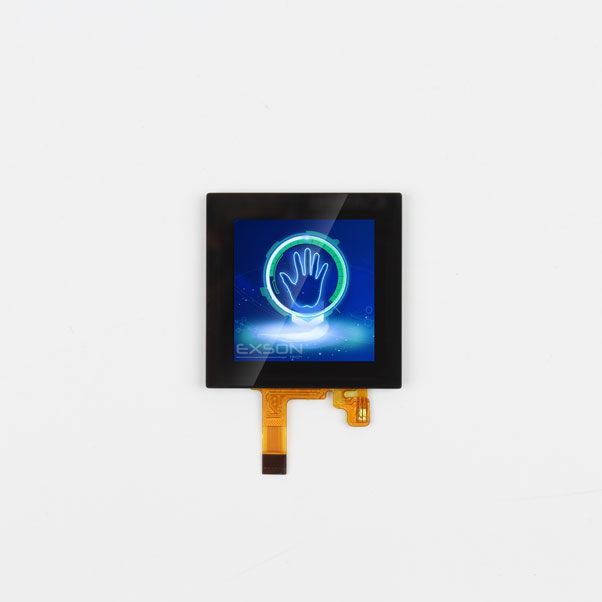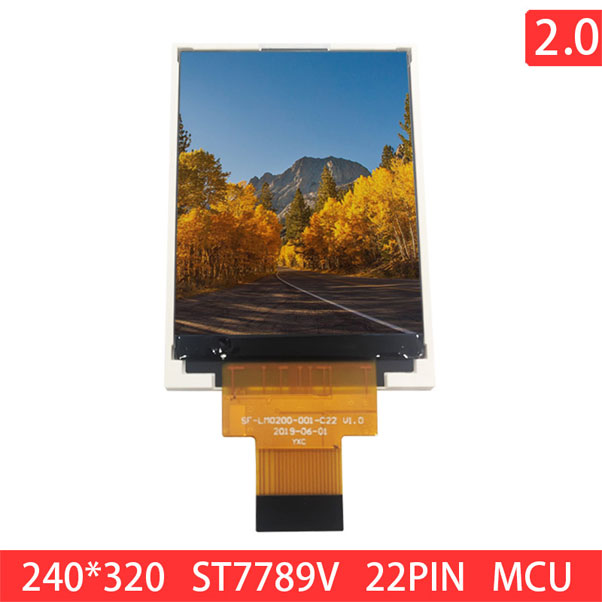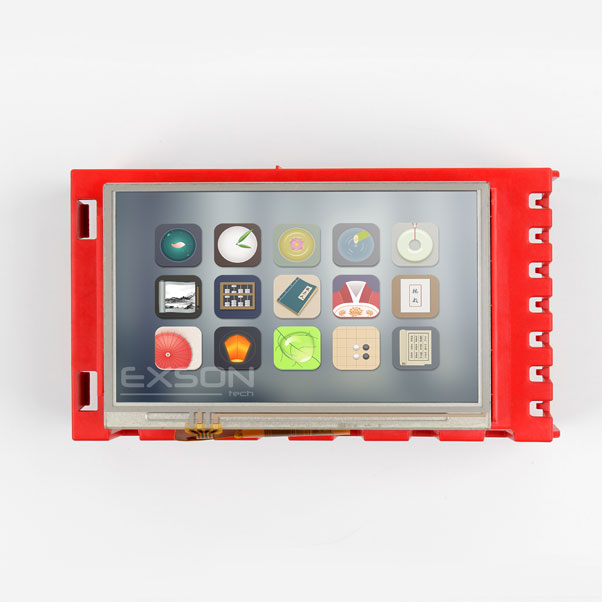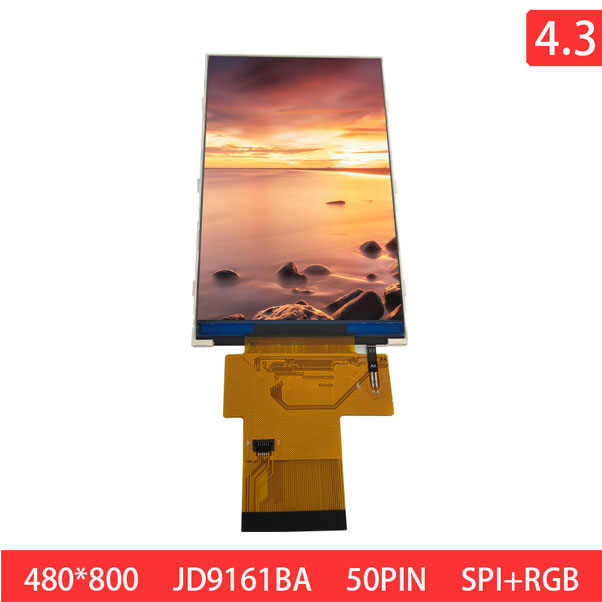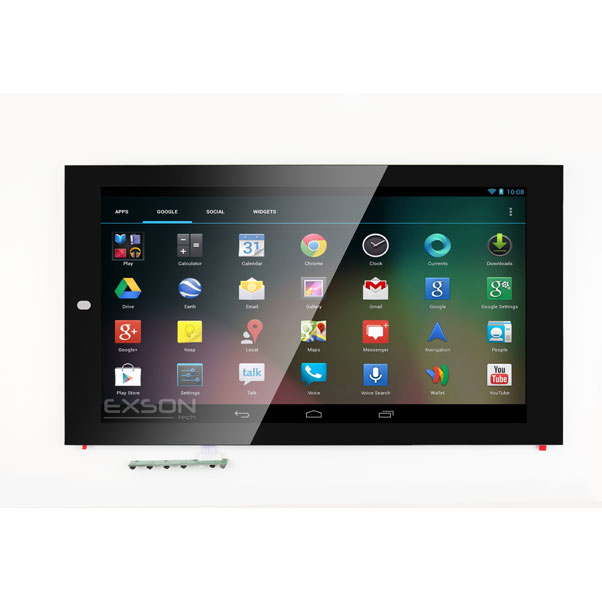
In the ever-expanding landscape of interactive technology, LCD touch screens have become the unsung heroes, transforming the way we engage with our digital devices. From smartphones and tablets to interactive kiosks and information displays, the prevalence of LCD touch screens has made them an integral part of our daily lives. Let's embark on a journey to uncover the magic behind these touch-sensitive marvels, exploring their workings, applications, and the impact they have on our digital interactions.
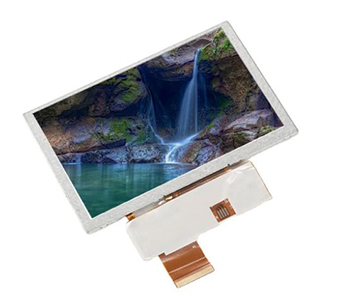
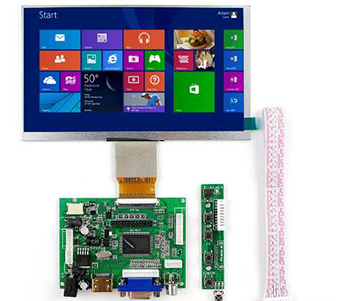
At the heart of an LCD touch screen lies a symphony of layers working seamlessly together. The display comprises layers of glass or other transparent materials, including an array of liquid crystal pixels. Overlaid on the LCD panel is a touch-sensitive layer, typically composed of indium tin oxide (ITO) or a similar conductive material.
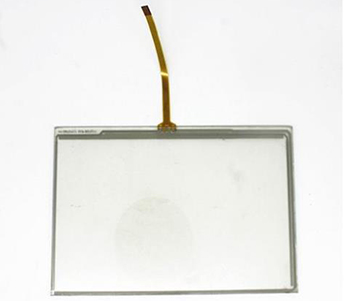
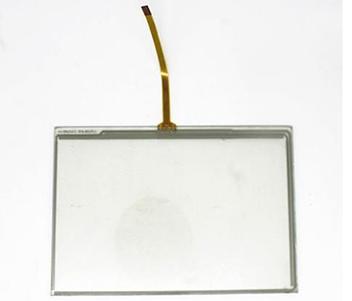
Resistive Touch: This technology involves two flexible layers that are separated by a small gap. When pressure is applied, the layers make contact, completing a circuit and pinpointing the touch location. Resistive touch screens are known for their durability and compatibility with various input methods, including styluses and gloved fingers.
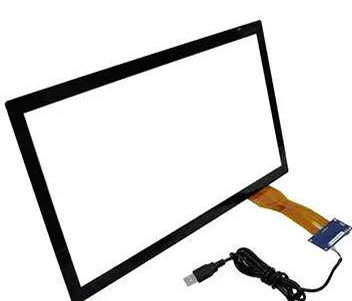
Capacitive Touch: LCD capacitive touchscreen utilizes the electrical charge of the human body to detect touch. The screen is coated with a transparent conductive layer, and when a finger touches the screen, it disrupts the screen's electrostatic field, pinpointing the touch location. Capacitive touch screens are known for their responsiveness and multi-touch capabilities.
Infrared Touch: Infrared touch screens use infrared sensors to detect touch or movement. These screens have infrared LEDs on one side and receivers on the opposite side, creating an invisible grid of light. When an object touches the screen, it interrupts the infrared light, allowing the system to identify the touch location.
LCD touch screens have transcended their initial role in personal devices, expanding into a myriad of applications:
Smartphones and Tablets: The ubiquitous touch screens on our handheld devices have revolutionized how we interact with technology, offering intuitive gestures and seamless navigation.
Interactive Kiosks: Touch screens and touch panel module have become a staple in public spaces, empowering users to access information, make selections, and engage with interactive content in various settings, from malls to museums.
Point-of-Sale Systems: LCD touch screens streamline transactions, providing a user-friendly interface for both customers and operators in retail and hospitality environments.
Education and Training: Touch screens have found their way into classrooms and training facilities, fostering interactive learning experiences and making education more engaging.
As technology evolves, so too will LCD touch screens. Innovations like edge-to-edge displays, increased sensitivity, and advancements in haptic feedback promise an even more immersive and responsive user experience.
In conclusion, LCD touch screens have seamlessly woven themselves into the fabric of our digital interactions, bridging the divide between humans and technology. From the tap of a finger on a smartphone to the interactive displays that surround us, the touch screen revolution continues to redefine how we navigate the digital landscape. As we look ahead, the potential for new breakthroughs and applications is boundless, ensuring that LCD touch screens will remain at the forefront of our interactive future.
 The Crucial Role of Industrial TFT Displays in AutomationJanuary 29, 2024In the rapidly evolving landscape of industrial automation, technological advancements have become instrumental in enhancing efficiency, precision, and overall productivity. Among these innovations, I...view
 Do You Know What Types of LCD Displays Are There?September 26, 2022As the mainstream technology in the display industry, LCD display has several types, each with different characteristics.Ⅰ. TN LCD module panel: The biggest feature of TN is that the price is relativ...view
 Methods to Protect Industrial LCD Screens from ESD Electrostatic DischargeAugust 4, 2023Environmental management of industrial LCD screensControl the humidity of the working environment. Especially in autumn and winter, static electricity is easily generated in dry weather. In a dry envi...view
 Beyond the Screen: The Impact of Medical LCD Displays in TelemedicineDecember 8, 2023In an era where technology is reshaping the landscape of healthcare, telemedicine has emerged as a powerful tool, connecting patients with healthcare professionals regardless of geographical distances...view
 Reasons for Color Difference in TFT LCD ScreensMay 26, 2023Clients often ask us why there are color differences in the same model TFT LCD screens. Color difference in TFT LCD screens refers to the difference in color between two LCD screens of the same model ...view
 What Are the Advantages of Resistive Touch Screen?February 8, 2023Resistive touch screens were first invented in 1971 by Dr. Samuel G. Hurst. He calls the sensor the Elograph, after his company, Elographics.Ⅰ. What is a resistive touch screen?As the name suggests, ...view
 Call us on:
  Email Us:
  2F-M1 XiaWei Industrial Park, GuanLan, LongHua District, SZ, China
  www
www