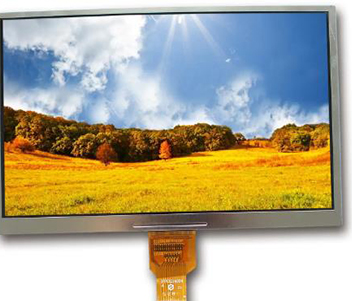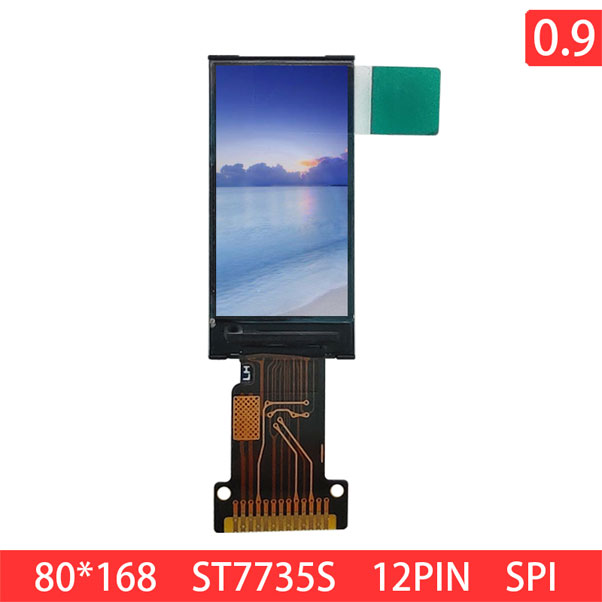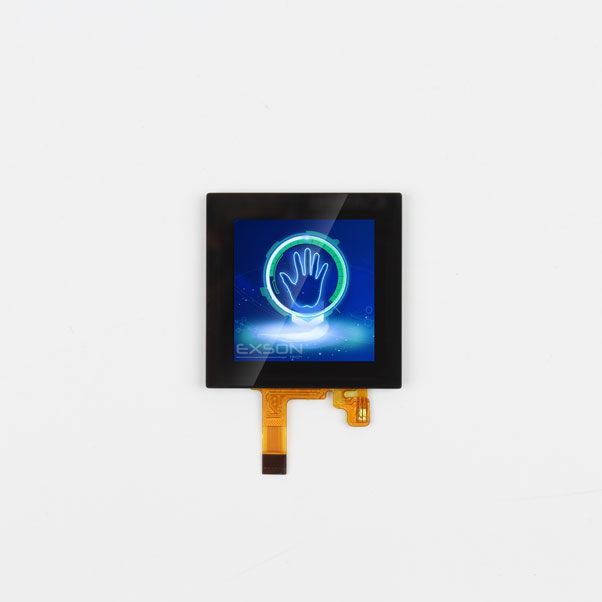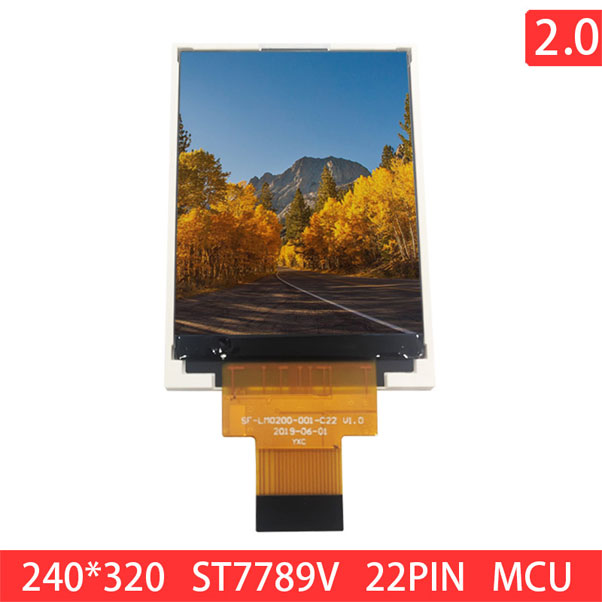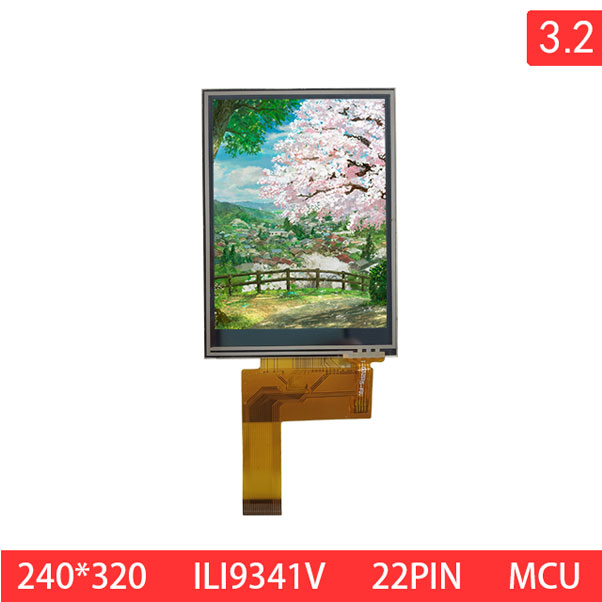
In today's tech-savvy world, touch screen technology has become an integral part of our daily lives. From smartphones and tablets to smart appliances, touch panel modules enhance the user experience by providing intuitive and interactive interfaces. In this blog, we will delve into the various types and significant features of touch panel modules, exploring how they revolutionize the way we interact with technology.
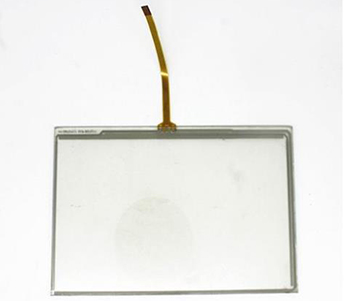
Resistive touch panel modules were one of the first touch technologies to be widely adopted. Consisting of multiple layers, including two electrically conductive layers separated by a small gap, these modules can sense touch by measuring changes in electric current. Some remarkable features of resistive touch panel modules include:
High durability and resistance to scratches, making them suitable for harsh environments.
Compatibility with both finger and stylus input, allowing for precise interactions.
Cost-effective manufacturing, enabling widespread implementation across various devices.
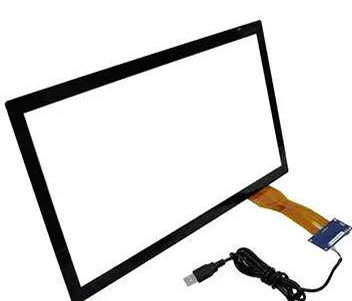
Capacitive touch panel modules have gained popularity due to their superior sensitivity and multitouch capabilities. Featuring a glass overlay coated with a conductive material, these modules utilize the electrical properties of the human body to detect touch. Key features of capacitive touch panel modules include:
Enhanced accuracy and responsiveness, leading to smoother and more natural interactions.
Multitouch functionality, enabling gestures such as pinch-to-zoom and swiping.
Excellent optical properties resulting in vibrant and transparent displays.
In-Cell touch panel modules are a more recent development that combines the touch sensor and LCD panel into a single component. By integrating the touch functionality directly into the display, these modules offer several advantages:
Slimmer form factors compared to traditional touch panel modules.
Improved visibility due to reduced layers and increased light transmittance.
Enhanced touch sensitivity and accuracy, enabling a seamless user experience.
Touch panel modules have undoubtedly revolutionized the way we interact with modern technology. From resistive and capacitive modules to the more advanced in-cell technology, each type has its unique features and advantages. Whether it's durability, multitouch functionality, or slim design, touch panel modules continue to evolve, providing users with seamless and intuitive interfaces. As technology continues to progress, we can expect touch panel modules to play an even more significant role in our daily lives, making our interactions with devices more immersive and enjoyable.
 The Importance of Clean Rooms in the Production Process of Industrial LCD ScreensAugust 4, 2023We will discuss the importance of clean rooms in the production process of industrial LCD screens. Let's start with the definition.A clean room is not simply defined as a clean space. In fact, it ...view
 Resistive Touch Screen Working Principle and ApplicationsDecember 9, 2022A resistive touch screen is a sensor that converts the physical location of a touch point (X, Y) in a rectangular area into a voltage representing the X and Y coordinates. Many LCD modules use resisti...view
 Innovate and Impress: Custom LCD Display Modules for Your BusinessOctober 23, 2023In the ever-evolving landscape of business, staying ahead of the competition often requires a touch of innovation and a dash of uniqueness. One way to set your brand apart is by embracing custom LCD d...view
 How Touch Panel Modules Shape User ExperiencesJanuary 25, 2024In the fast-paced world of technology, user interfaces play a pivotal role in shaping our interactions with devices. Among the innovative solutions driving this evolution is the touch panel module, a ...view
 Enhancing the Gaming Experience with TFT Display Touch ScreensDecember 8, 2023In the ever-evolving landscape of gaming technology, one innovation stands out as a game-changer—TFT display touch screens. These sleek and responsive screens have taken the gaming experience to new ...view
 High-Quality TFT LCD Display Modules in Interactive LearningDecember 8, 2023In the dynamic landscape of education, the integration of cutting-edge technology has become a catalyst for transformative learning experiences. Among these innovations, high-quality TFT LCD display m...view
 Call us on:
  Email Us:
  2F-M1 XiaWei Industrial Park, GuanLan, LongHua District, SZ, China
  www
www