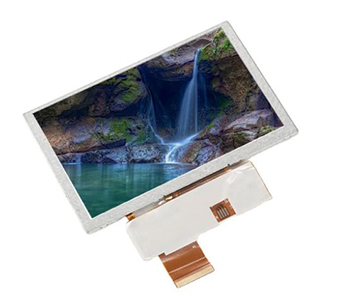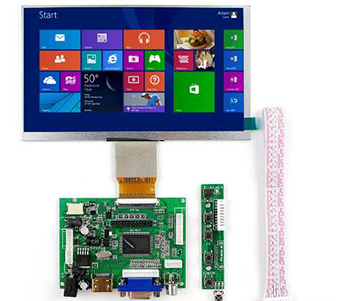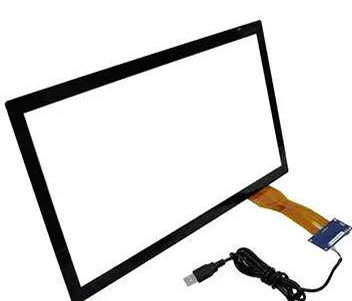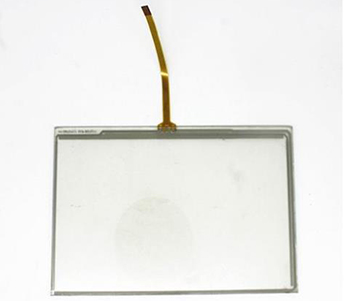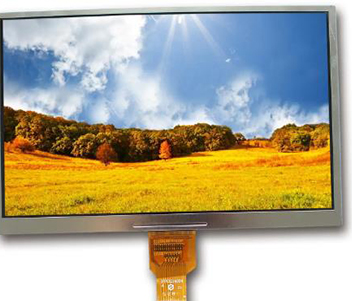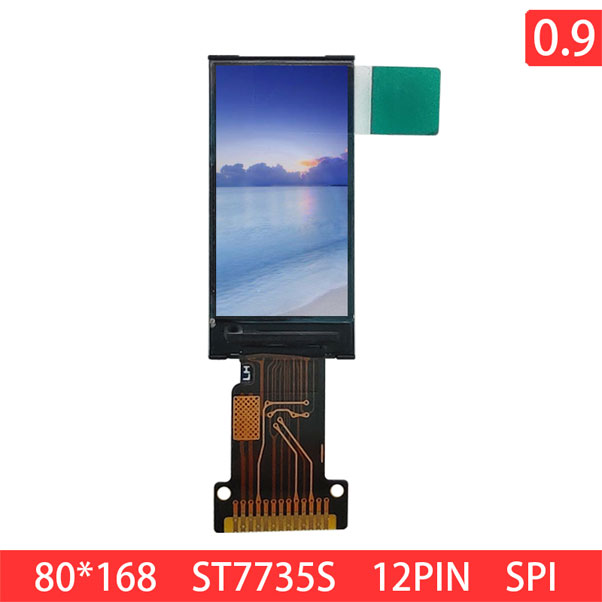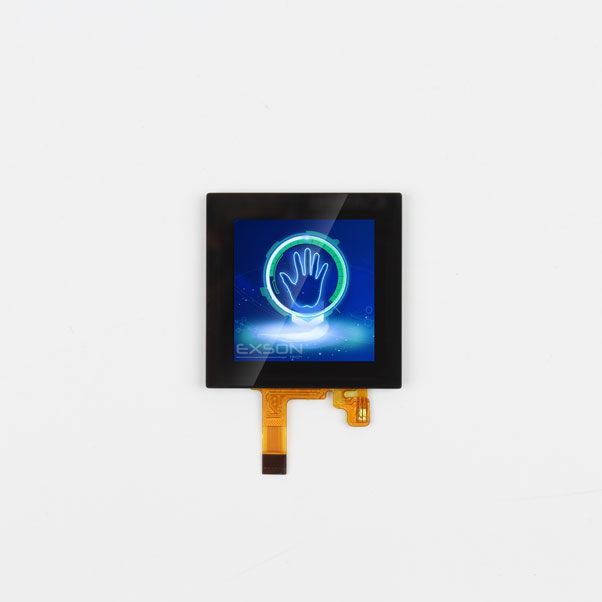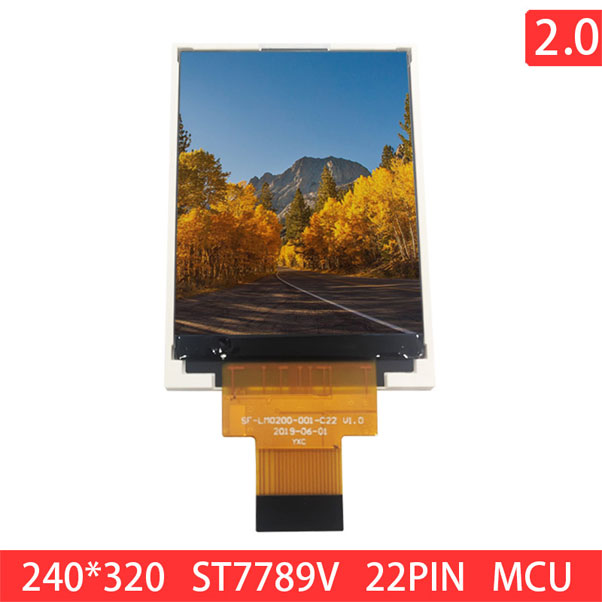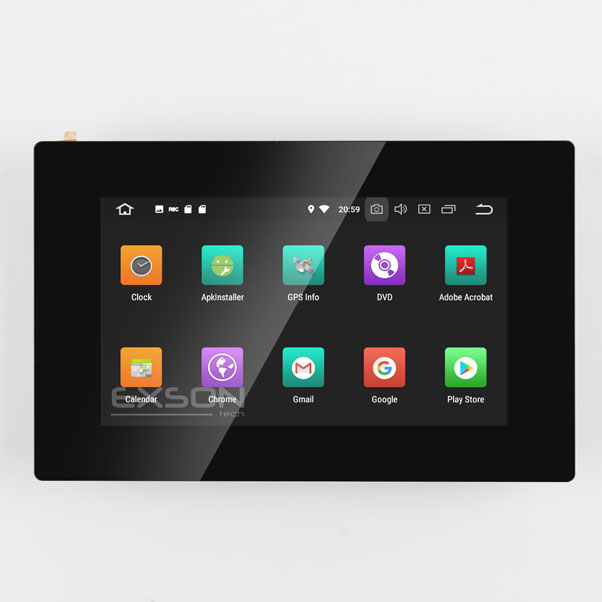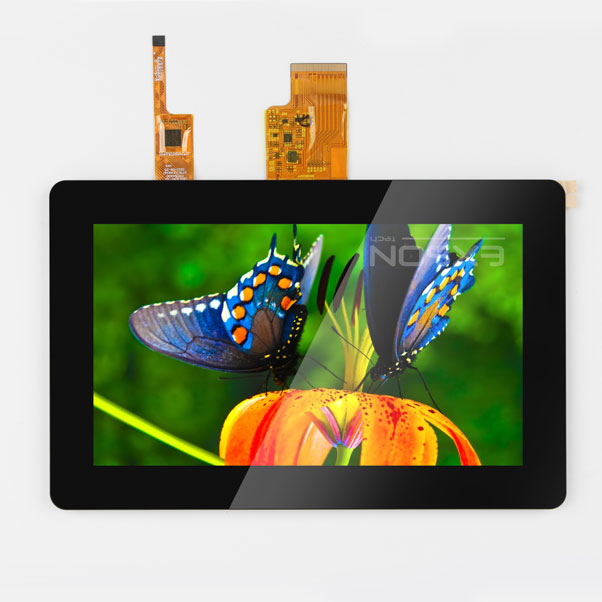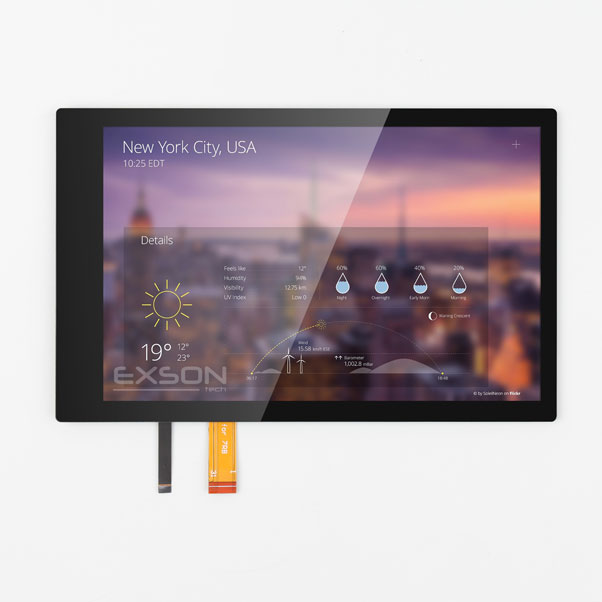
Liquid crystal display, abbreviated as LCD, is a matrix display screen driven by thin film transistors. It uses current to stimulate liquid crystal molecules to generate points, lines, and planes, combined with LED backlight source to form a display image. Below, we will discuss the classification of LCD liquid crystal screens from multiple dimensions.
High-brightness display screen
LCD screen with brightness above 500cd/m2, suitable for display devices that need to be visible in outdoor sunlight.
Wide-viewing-angle liquid crystal screen
It has the characteristics of wide viewing angle, high contrast, color saturation, and dynamic clarity.
Wide-temperature liquid crystal screen
Suitable for use in places with harsh temperature conditions. The working temperature and storage temperature can reach -30℃ to +85℃, and the upper temperature limit of some models can reach 85℃.
Semi-transmissive screen
It has outstanding display effects in strong light conditions and excellent readability in non-light or low-light environments.
TN liquid crystal panel
The most basic and common display mode, with simple manufacturing process, high transmittance, and low cost.
IPS panel
Excellent full viewing angle characteristics, dynamic clarity, and color reproduction.
VA liquid crystal panel
With advantages such as wide viewing angle, high contrast, and no need for friction orientation, it has become the preferred choice for large-size TFT LCD panels.
The most common interfaces are RGB, SPI, MCU, MIPI, and LVDS. Others include HDMI, TTL, and STN interfaces.
There are three types: static drive, simple matrix drive, and active matrix drive.
Home appliance display, car display, commercial display, medical display, industrial display, instrument display, outdoor handheld display, etc.
Exson provides touch and display solutions with OCA, OCR optical or air bonding, to meet your specific needs. We also integrate driver boards with HDMI, VGA, Lvds-mipi, eDP-Lvds, and other different inverters into integrated units. We also support open-frame design and manufacturing, including metal frame components, LVDS/ eDP/ FFC/ FPC/Ipex cables, and customized cables as required. Please feel free to contact us for inquiries.
 How Important Are TFT Screens in the Medical IndustryJuly 1, 2024To select the right TFT LCD display for medical applications, engineers and decision-makers need to have a comprehensive understanding of how the specifications of TFT LCD screens affect the final pro...view
 Enhancing the Gaming Experience with TFT Display Touch ScreensDecember 8, 2023In the ever-evolving landscape of gaming technology, one innovation stands out as a game-changer—TFT display touch screens. These sleek and responsive screens have taken the gaming experience to new ...view
 Enhancing Your Drive: The Power of Car LCD ModulesOctober 23, 2023In today's technology-driven world, our cars are becoming more than just a means of transportation. They are evolving into sophisticated hubs of connectivity, entertainment, and information. One o...view
 Sharper Insights: How Medical LCD Displays Enhance Surgical VisualizationDecember 8, 2023In the ever-evolving landscape of medical technology, surgical procedures are becoming more precise and efficient, thanks to innovations like Medical LCD Displays. These sophisticated displays play a ...view
 The Advantages of Car LCD Modules in Modern VehiclesJanuary 25, 2024In today's fast-paced and technology-driven world, it's no surprise that even our vehicles are becoming smarter and more advanced. One of the key technologies that have revolutionized the auto...view
 Capacitive LCD Display: Touch InteractionAugust 13, 2024A capacitive LCD display is a display module that integrates capacitive LCD display technology with liquid crystal display technology. The capacitive LCD display uses a four-layer composite glass scre...view
 Call us on:
  Email Us:
  2F-M1 XiaWei Industrial Park, GuanLan, LongHua District, SZ, China
  www
www