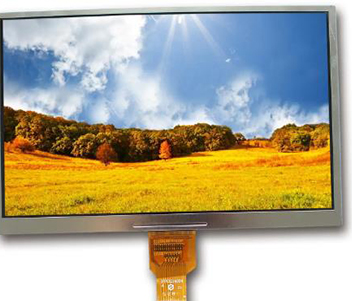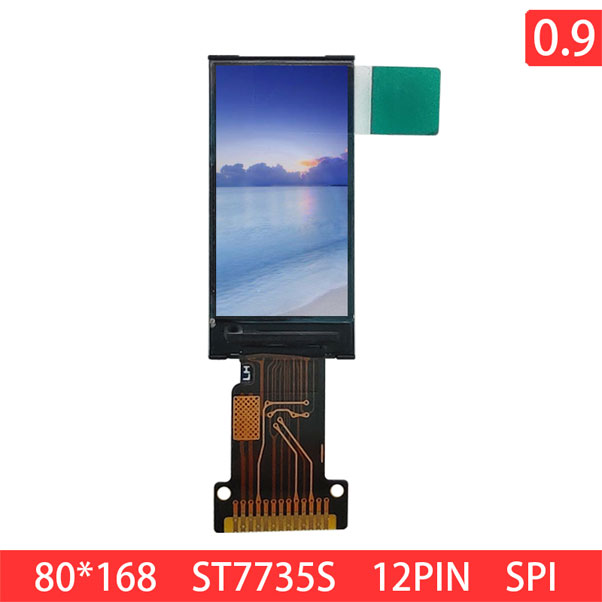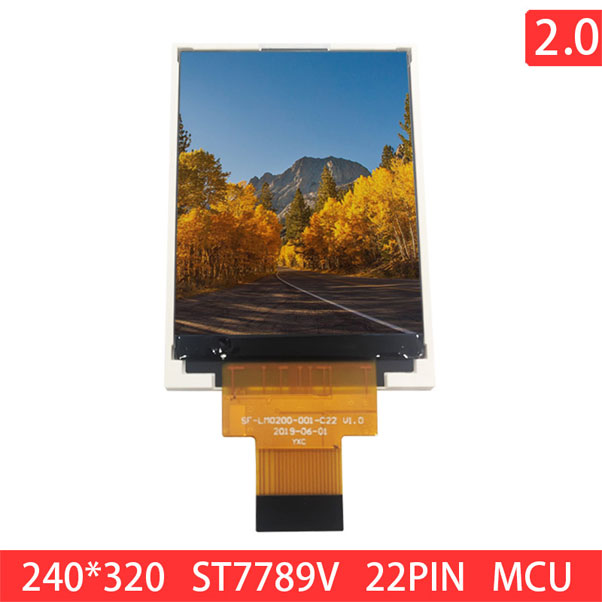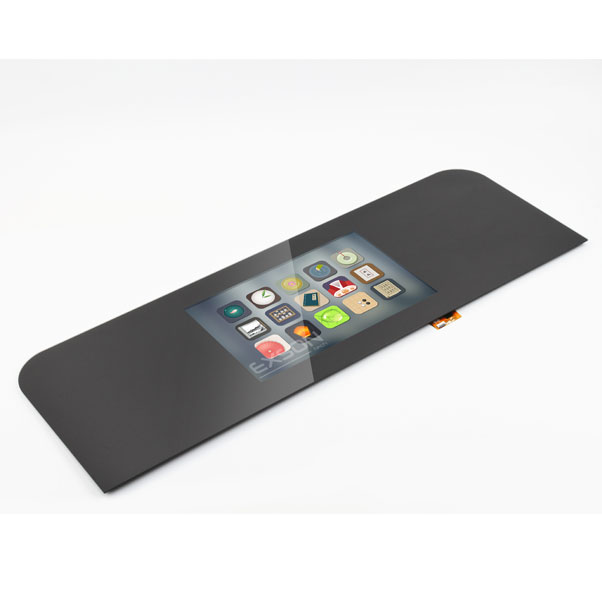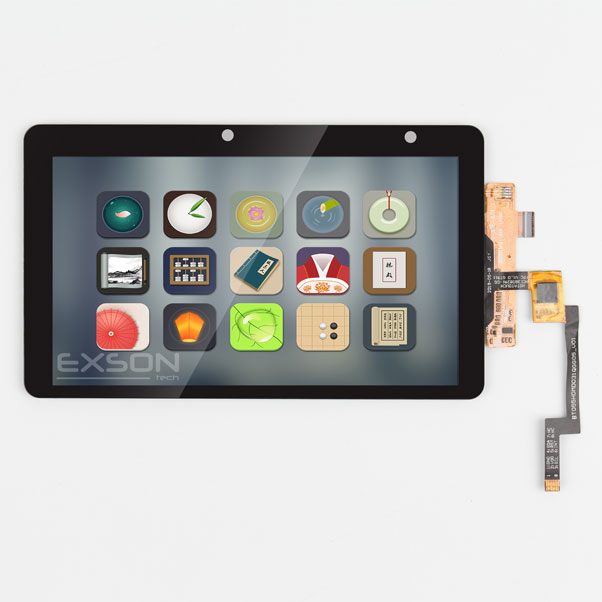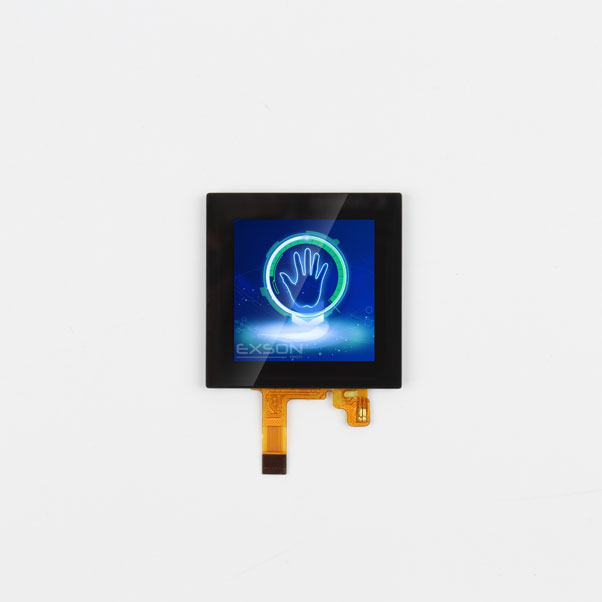
We will discuss the viewing angles of industrial LCD screens and how to choose the appropriate viewing angle for your project.
Screen viewing angle refers to the maximum angle at which users can accept the image quality. The reflection of LCD screens is different in all directions, with the brightness being lower when the viewing angle with the screen is smaller in the horizontal direction. The viewing angle is defined as the angle at which the brightness drops to 50%.
The larger the viewing angle of the screen, the wider the viewing range, and the brightness is satisfying when viewing images within the viewing angle; however, the brightness appears insufficient when viewing images outside the viewing angle. This concept is closely related to the gray inversion phenomenon, where users can notice a sudden change in displayed colors when exceeding a certain angle (viewing angle), mainly due to the dominance of gray in the displayed image.
The viewing angle of industrial LCD screens is measured from each of the four directions along the screen's normal axis. In theory, the maximum angle is 90°, and the angle may vary for each measurement direction. The three-dimensional range of angles is referred to as the viewing cone.
The most popular types of industrial LCD screens on the market are TN, VA, MVA, and IPS.
TN LCD screens are the most cost-effective technology. Their angles are mostly narrower compared to other types, but the low price and short matrix response time make up for the smaller viewing cone. To widen the viewing angle, an O-film can be added to the screen. When purchasing TN screens, you should always pay attention to the viewing direction indicated by small angles. It describes from which direction users should view the screen.
VA and MVA types of LCD screens have relatively short response times, wide viewing angles, and high contrast ratios. They fall between TN and IPS types.
IPS matrix technology not only possesses most of the advantages of VA, but also has excellent color reproduction and the highest viewing angle on both axes. The most common drawback of IPS is lower black color depth compared to VA types.
If a project requires a higher viewing angle, LCD screens with a full viewing angle (each axis measuring 178.5° to 180°) should be chosen. In this case, look for MVA and IPS LCD displays.
If price is the most important factor, you can find a cost-optimized option by purchasing TN screens.
Remember to check the correct viewing direction for your application. The simplest rule is to choose a 12 o'clock screen when users view it from the top, and a 6 o'clock screen when viewed from the bottom.
Note: Do not confuse viewing direction with gray inversion. Gray inversion always opposes the viewing direction. For example, a screen facing 12 o'clock will have a color inversion at 6 o'clock.
A compromise solution is to expand the viewing angle for TN LCD screens by adding an O-film. For a wide range of industrial LCD screens with optimal viewing angles, consider our top-quality TFT LCD modules for sale. As trusted custom LCD manufacturers, we provide a variety of options such as MVA and IPS displays for projects requiring a full viewing angle, as well as cost-optimized TN screens for budget-conscious needs. Additionally, our expertise extends to expanding the viewing angle of TN LCD screens through the incorporation of an O-film, offering a compromise solution that meets your specific requirements.
 Selection of the TFT LCD Touch ScreenMay 26, 2023In the information age of rapid development, LCD screens have been widely used in various fields, with TFT LCD touch screens with touch functionality being particularly prominent.Touch screens are use...view
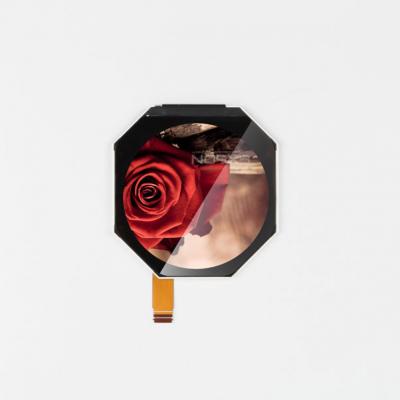 Application Analysis of the LCD Round LCD ScreenMay 26, 2023LCD round LCD screen - as the name suggests, is a circular shaped LCD screenMost of the LCD screens we normally encounter are square or rectangular, and circular screens are relatively rare. However, ...view
 Illuminating the Display Frontier: An Introduction to TFT LCD TechnologyNovember 17, 2023In the dynamic landscape of visual technology, Thin-Film Transistor Liquid Crystal Display, better known as TFT LCD, emerges as a beacon of innovation, transforming the way we experience digital visua...view
 How To Choose Lcd Hard Screen And Soft ScreenOctober 27, 2020What is the soft screen of LCD liquid crystal screen? Which is a hard screen, first let's introduce their concept. The hard screen technology of LCD adopts horizontal arrangement as the arrangemen...view
 Innovations in Industrial TFT Display Technology: High Brightness, High Resolution, and BeyondMay 9, 2024With the continuous development of industrial automation and the improvement of the level of intelligence, industrial TFT display technology is also constantly innovating and progressing. High brightn...view
 Introduction of the Applications of Medical LCD Display ScreenAugust 4, 2023In the hospital, we often see medical equipment, and most of the medical equipment is equipped with medical LCD display screens. So, do you know what the uses of LCD display screens in medical field a...view
 Call us on:
  Email Us:
  2F-M1 XiaWei Industrial Park, GuanLan, LongHua District, SZ, China
  www
www