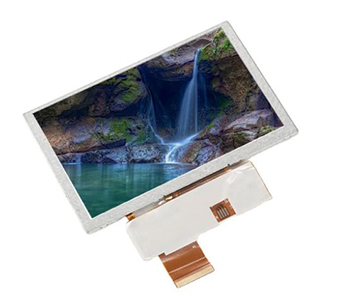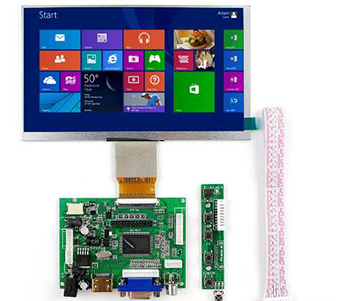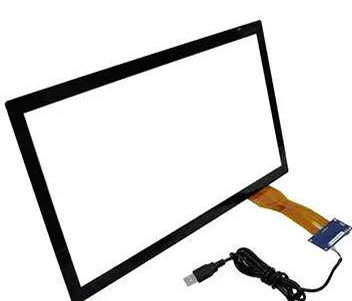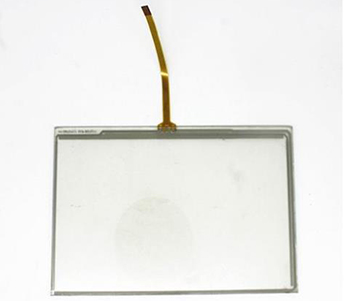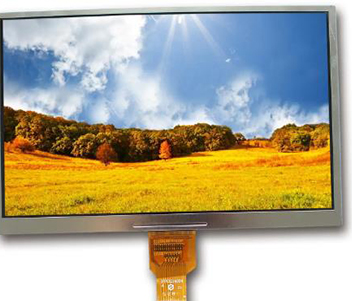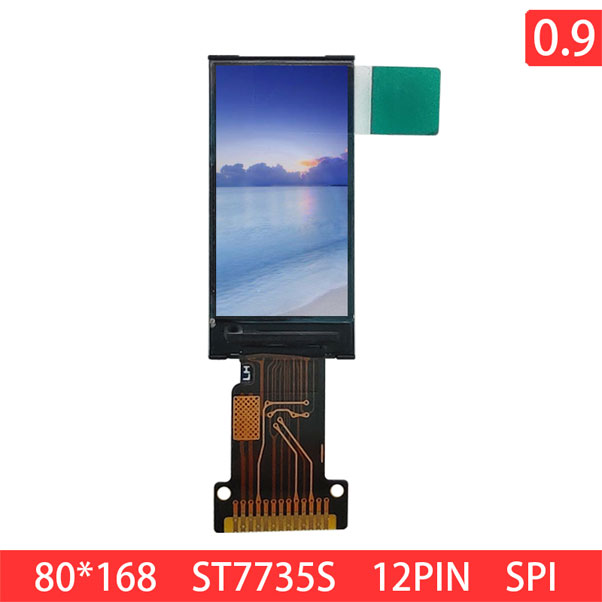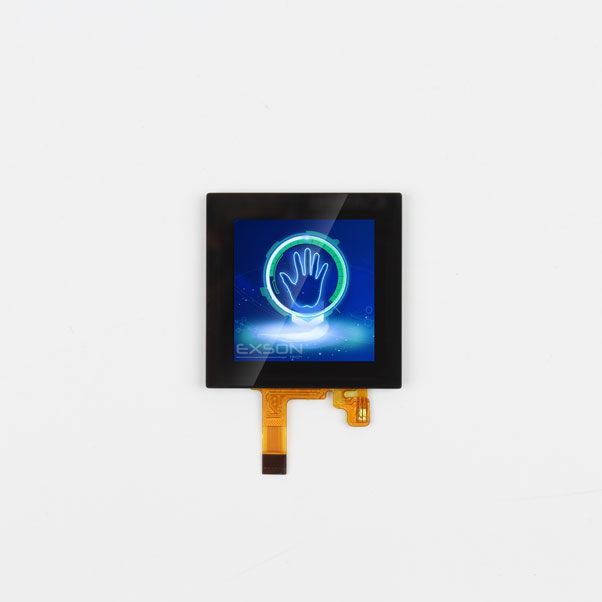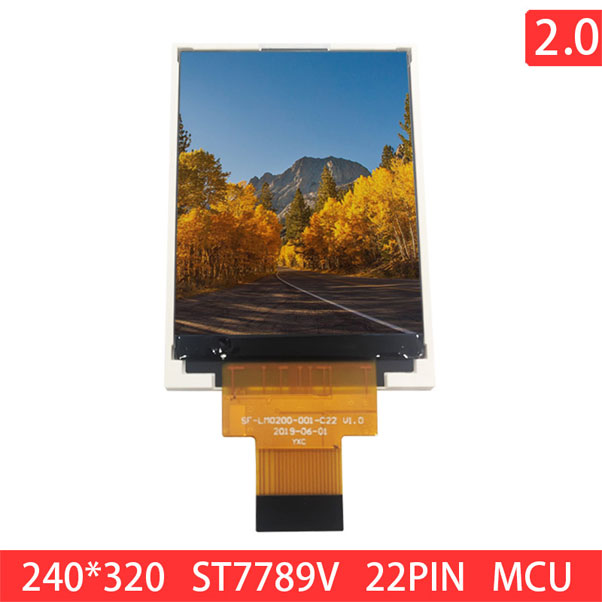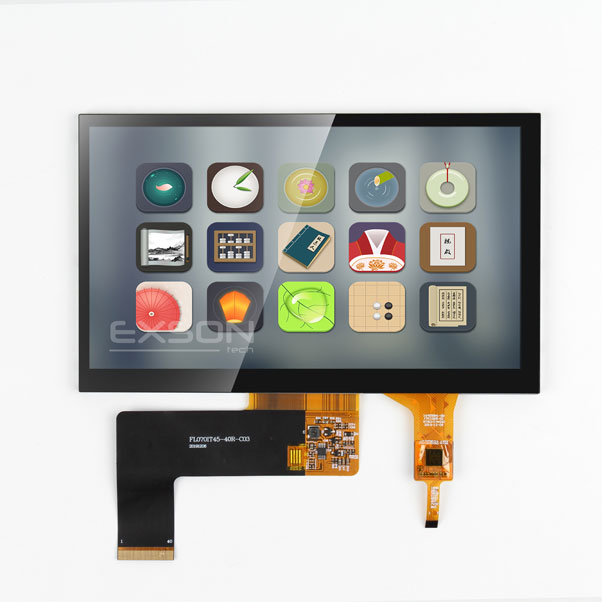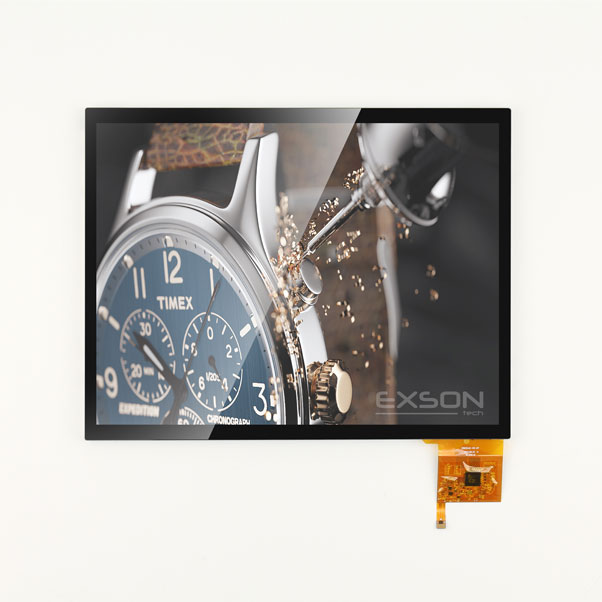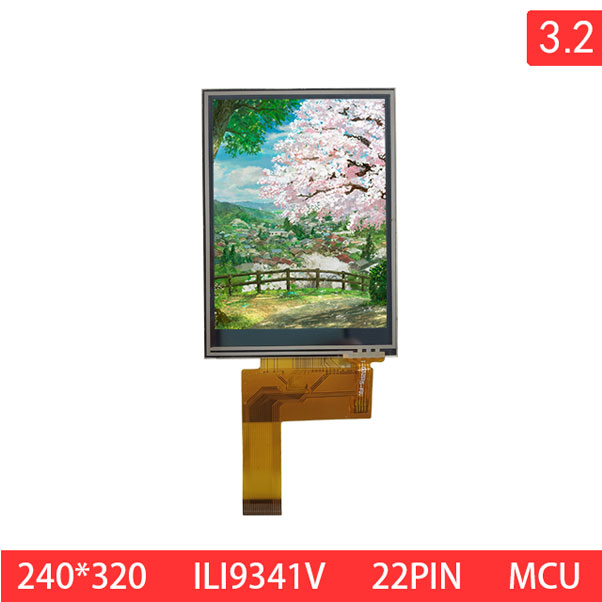
In today's advanced automotive industry, car LCD modules have become an essential component for enhancing the driving experience. These innovative displays offer a wide array of features that not only provide critical information but also improve convenience and safety. Let's delve into the world of car LCD modules and explore their impressive capabilities.
Car LCD modules are compact display units designed to provide visual feedback and essential information to drivers. These modules utilize liquid crystal technology to create high-quality images and graphics. Offering a sleek and modern appearance, these displays seamlessly integrate with the car's dashboard, providing a seamless and sophisticated display interface.
High-Resolution Displays: Car LCD modules deliver sharp, clear, and vibrant images with high-resolution screens. This allows drivers to easily read and interpret information, such as speed, fuel levels, navigation directions, and more.
Touchscreen Functionality: Many modern car LCD modules feature touchscreen capabilities, enabling easy and intuitive operation. Drivers can effortlessly navigate through various menus, adjust settings, and control multimedia functions without distraction.
Customization Options: Car LCD modules offer a high level of customization, allowing drivers to tailor the display according to their preferences. They can choose from different themes, layouts, and even personalize the colors to match their taste, creating a unique driving experience.
Integration with Vehicle Systems: Car LCD modules seamlessly integrate with different vehicle systems, including GPS, audio systems, climate control, and more. This integration enables drivers to access all necessary information and control various functions without diverting their attention from the road.
The car LCD module industry continues to evolve rapidly, with new innovations on the horizon. Some future developments include incorporating augmented reality (AR) technology to provide drivers with even more detailed information, heads-up displays (HUDs) that project essential information onto the windshield, and voice-controlled interfaces for added convenience and safety.
Car LCD modules have revolutionized the way information is presented in vehicles, significantly improving the driving experience and ensuring utmost safety. With their high-resolution screens, customization options, seamless integration, and future innovations in the pipeline, car LCD modules are undoubtedly a groundbreaking technology that will continue to transform the automotive industry.
 The Role of Touch Panel Modules in Modern DevicesJanuary 25, 2024In today's fast-paced world, technology plays a vital role in our everyday lives. From smartphones to tablets and even refrigerators, the integration of touch panel modules has revolutionized the ...view
 Innovate and Impress: Custom LCD Display Modules for Your BusinessOctober 23, 2023In the ever-evolving landscape of business, staying ahead of the competition often requires a touch of innovation and a dash of uniqueness. One way to set your brand apart is by embracing custom LCD d...view
 Touch Panel Module Customization and Design ConsiderationsJanuary 25, 2024In the dynamic landscape of interactive technology, touch panel modules have become the backbone of seamless user experiences. However, the key to unlocking the full potential of these modules lies in...view
 Capacitive LCD Display: Touch InteractionAugust 13, 2024A capacitive LCD display is a display module that integrates capacitive LCD display technology with liquid crystal display technology. The capacitive LCD display uses a four-layer composite glass scre...view
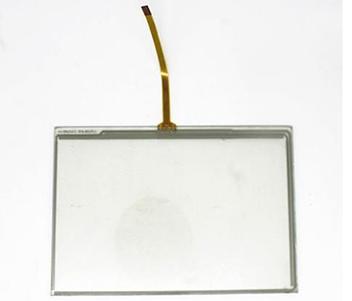 What Are the Advantages of Resistive Touch Screen?February 8, 2023Resistive touch screens were first invented in 1971 by Dr. Samuel G. Hurst. He calls the sensor the Elograph, after his company, Elographics.Ⅰ. What is a resistive touch screen?As the name suggests, ...viewExploring the Different Types and Remarkable Features of Touch Panel ModulesJanuary 25, 2024In today's tech-savvy world, touch screen technology has become an integral part of our daily lives. From smartphones and tablets to smart appliances, touch panel modules enhance the user experien...view
 Call us on:
  Email Us:
  2F-M1 XiaWei Industrial Park, GuanLan, LongHua District, SZ, China
  www
www