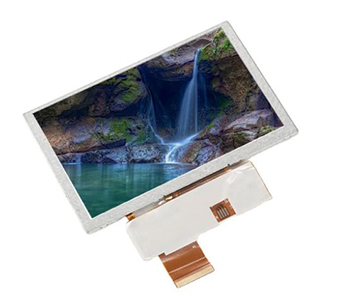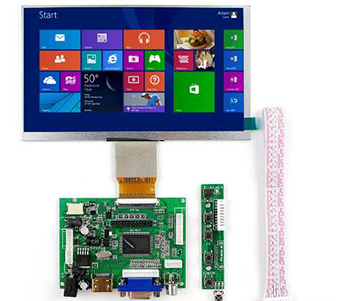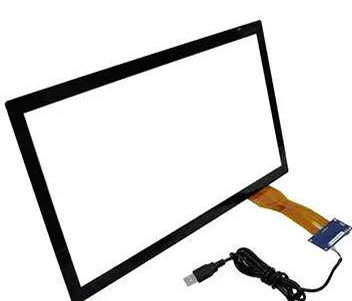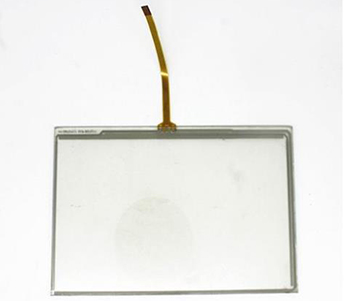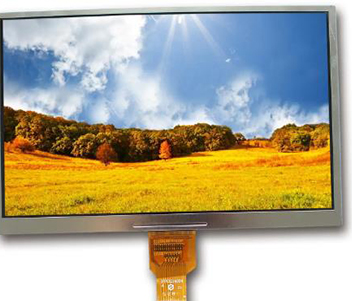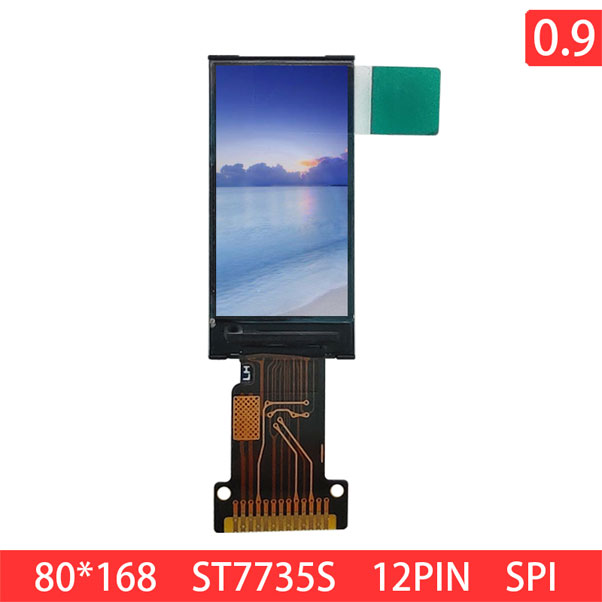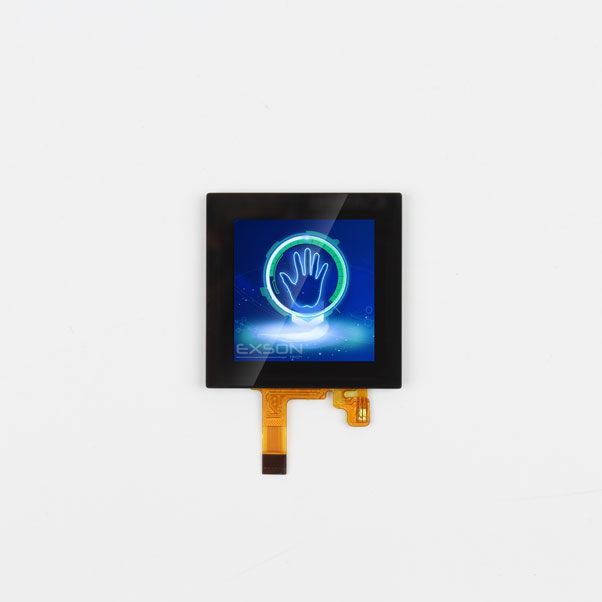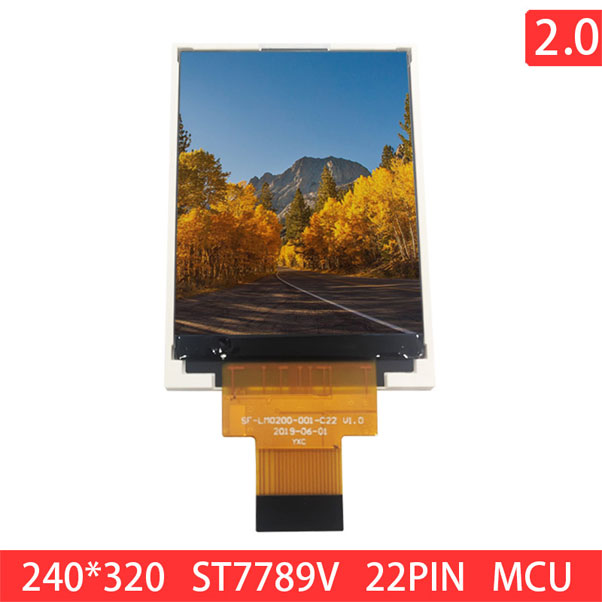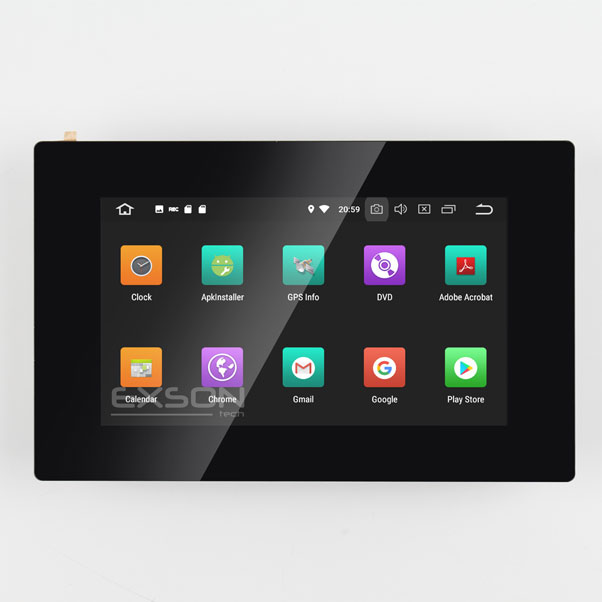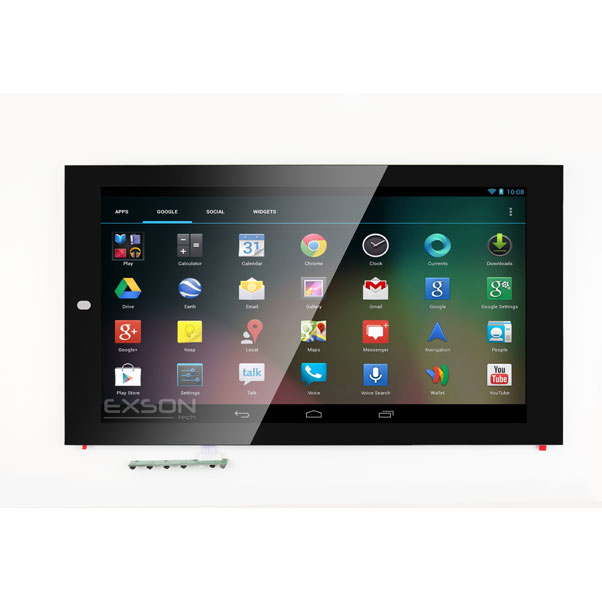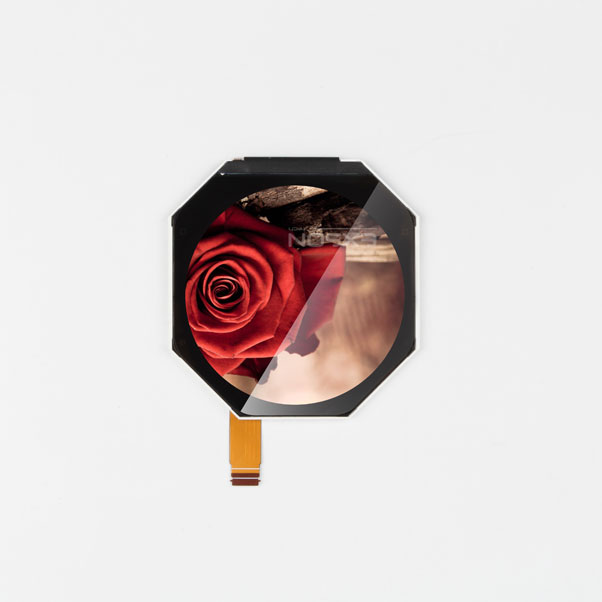
In the dynamic landscape of visual technology, Thin-Film Transistor Liquid Crystal Display, better known as TFT LCD, emerges as a beacon of innovation, transforming the way we experience digital visuals. From the sleek screens of our smartphones to the immersive displays of our monitors, TFT LCD technology has become an integral part of our daily lives.
This blog aims to unravel the mysteries behind TFT LCD displays, delving into their fundamental workings, applications, and key differentiators. As we embark on this journey, we'll explore the essence of TFT technology, understand the intricacies of how it brings pixels to life, and distinguish it from its counterparts, particularly the widely used IPS LCD.
Thin-Film Transistor Liquid Crystal Display, or TFT LCD, is a cutting-edge display technology that has become the backbone of visual interfaces in our everyday devices. TFT LCDs are found in an array of gadgets, from smartphones to monitors, delivering crisp and vibrant visuals. At its core, a TFT LCD is a type of flat-panel display that employs thin-film transistors to control the individual pixels on the screen. This technology enhances image quality, color accuracy, and response times, offering users an immersive visual experience.
The magic of a TFT LCD display for sale lies in its intricate mechanism for controlling the passage of light through liquid crystals. Positioned between two layers of glass, the liquid crystal layer consists of molecules that can be manipulated by an electric current. Each pixel on the screen is associated with a thin-film transistor, allowing precise control over the alignment of liquid crystal molecules. When an electric charge is applied, the orientation of the molecules changes, influencing the amount of light that passes through the pixel. This meticulous control results in sharp, high-resolution images with impressive color accuracy.
TFT displays utilize a backlight source, commonly composed of LEDs, to illuminate the pixels. The combination of individual pixel control and backlighting contributes to the display's ability to produce vibrant and detailed visuals. The swift response times of TFT displays also make them ideal for applications with fast-moving content, such as gaming and video playback.
Viewing Angles: TFT displays often have limited viewing angles, whereas IPS LCDs provide a more extensive range of angles, making them suitable for scenarios where multiple individuals view the screen from different perspectives.
Color Reproduction: While TFT displays offer good color reproduction, IPS LCDs excel in this aspect, providing more accurate and vibrant colors.
Contrast Ratios: IPS LCDs generally boast higher contrast ratios, resulting in deeper blacks and brighter whites, enhancing overall image quality.
Response Time: Industrial TFT display have faster response times, making them preferable for applications that demand quick transitions between images, such as gaming or video playback.
| Feature | TFT LCD | IPS LCD |
|---|---|---|
| Viewing Angles | Limited angles | Wide angles |
| Color Reproduction | Good | Excellent |
| Contrast Ratios | Moderate | High |
| Response Time | Faster | Slightly Slower |
| Applications | Gaming, fast motion content | Graphics, professional displays |
In summary, the choice between TFT and IPS LCDs depends on the specific requirements of the application. Whether it's the need for swift response times in gaming or the demand for impeccable color accuracy in professional graphics work, understanding the nuances between these display technologies empowers users to make informed choices for an optimal visual experience. As technology continues to evolve, the journey toward superior display solutions persists, promising even more breathtaking visuals in the future.
 Exson Tech In-Vehicle LCD Module: Leading a New Chapter in Automotive DisplaysJuly 1, 2024In today's rapidly developing automotive industry, in-car displays have become a key element in enhancing the driving experience and intelligent level. Among many in-car display technologies, LCD ...view
 How Should the Liquid Crystal Panel Be Maintained Best?September 26, 2022With the popularization of LCD TVs, notebook computers, LCD monitors and other liquid crystal panels, the cleaning of liquid crystal panels has also become the focus of users' attention. Many user...view
 Exploring the Features of Car LCD Modules for an Enhanced Driving ExperienceJanuary 25, 2024In today's advanced automotive industry, car LCD modules have become an essential component for enhancing the driving experience. These innovative displays offer a wide array of features that not ...view
 Beyond the Screen: The Impact of Medical LCD Displays in TelemedicineDecember 8, 2023In an era where technology is reshaping the landscape of healthcare, telemedicine has emerged as a powerful tool, connecting patients with healthcare professionals regardless of geographical distances...viewSharper Insights: How Medical LCD Displays Enhance Surgical VisualizationDecember 8, 2023In the ever-evolving landscape of medical technology, surgical procedures are becoming more precise and efficient, thanks to innovations like Medical LCD Displays. These sophisticated displays play a ...view
 Resistive Touch Screen Working Principle and ApplicationsDecember 9, 2022A resistive touch screen is a sensor that converts the physical location of a touch point (X, Y) in a rectangular area into a voltage representing the X and Y coordinates. Many LCD modules use resisti...view
 Call us on:
  Email Us:
  2F-M1 XiaWei Industrial Park, GuanLan, LongHua District, SZ, China
  www
www