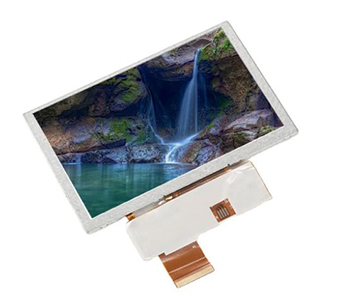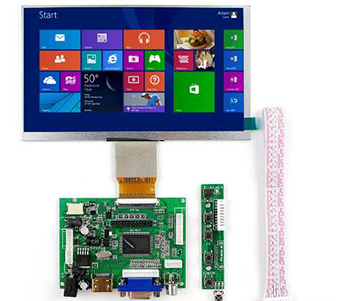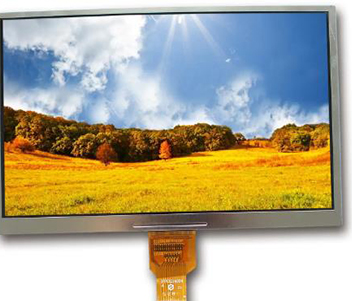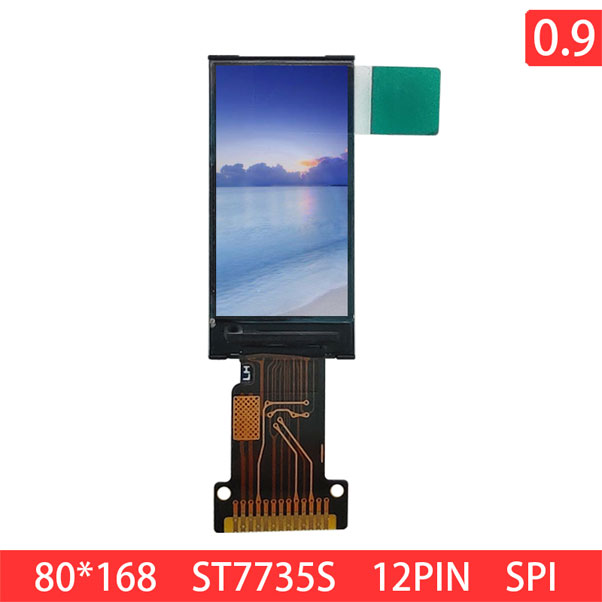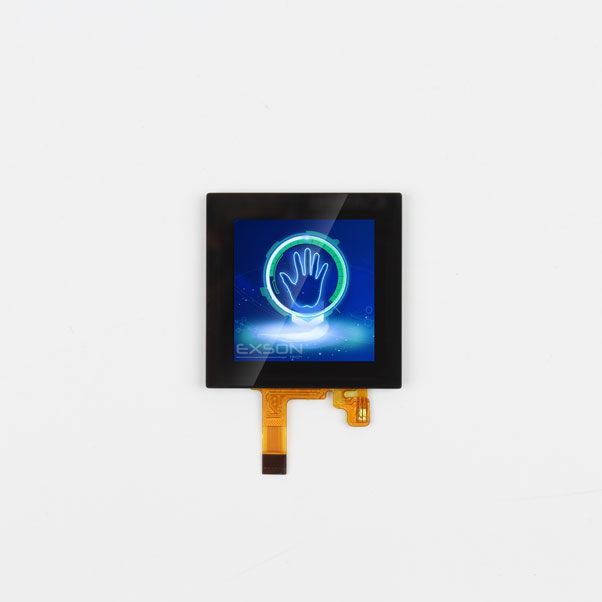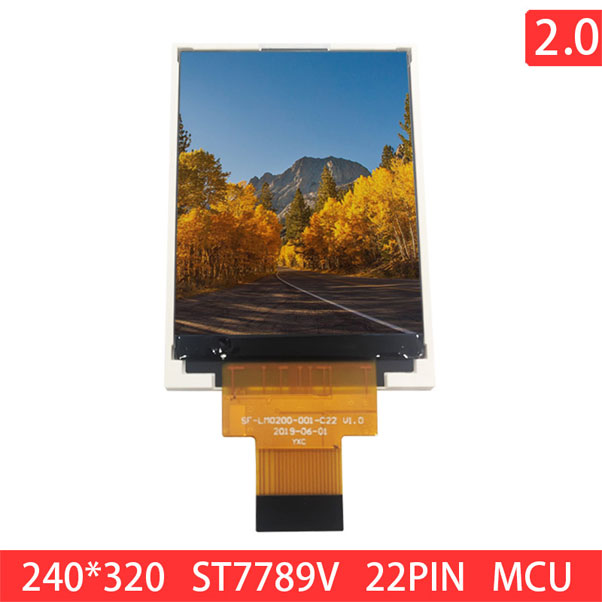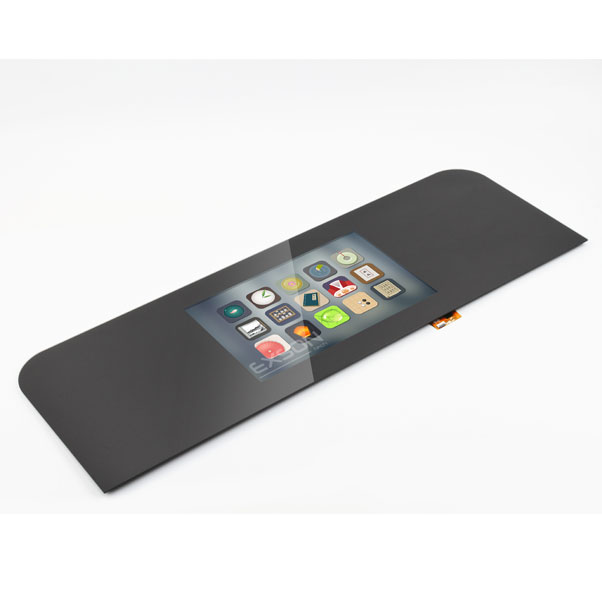
The technology of LCD liquid crystal displays is developing rapidly, and LCD bar-type LCD screens are currently popular new products in the market. So what is a bar-type LCD screen?
An LCD bar-type LCD screen refers to a rectangular LCD screen with a length-to-width ratio greater than that of a regular LCD screen. It has a wide range of sizes and flexibility, high clarity, and is used in various fields such as commercial venues, public transportation, and corporate exhibition areas.
The bar-type LCD screen can be combined with the motherboard system and supports split-screen, simultaneous playback, terminal grouping management, account permission management, as well as multi-screen synchronization and linkage playback. Now let's introduce the characteristics and advantages of LCD bar-type LCD screens.
The bar-type LCD screens have been widely used in various scenes in our daily lives. They are widely used in public transportation systems such as airports, subways, and buses, in teaching fields such as multimedia teaching and campus auditoriums, in exhibition areas such as exhibition centers and multifunctional halls, and in commercial areas such as shopping centers, restaurants, and entertainment venues.
Bar-shaped LCD screens have a lot of considerations for environmental factors. For example, in public transportation systems, they need to have earthquake resistance and high temperature resistance. Therefore, bar-shaped screens need to have good reliability and stability.
Bar-shaped LCD screens generally use more robust and durable glass substrates and add fixed structures to the backlight module to achieve earthquake resistance. This enables bar-shaped screens to have the reliability that industrial-grade LCD screens have, meeting the requirements of working in various harsh environments.
Bar-shaped LCD screens generally use aluminum substrates, which improve the heat dissipation performance and slow down the fading of LED backlight modules. This minimizes the overall impact of the backlight source on the LCD module, achieving high energy efficiency and increasing the service life. At the same time, it also makes the overall module lighter and thinner.
We all know that the operating temperature of ordinary LCD screens is -20 to +70℃. However, bar-type LCD screens, according to the requirements of the environment, generally use screens with wide operating temperatures, which are -30℃ to +85℃.
This allows bar-type LCD screens to adapt to hotter or colder working environments and work outdoors at all temperatures. It meets the requirements of quick start and clear image display in low-temperature environments, as well as normal operation in high-temperature environments.
In some working environments of LCD bar-type LCD screens, brightness needs to be adjusted with changes in the environment. Therefore, some high-brightness bar-type LCD screens can be equipped with automatic light-sensitive control modules to adjust screen brightness based on environmental brightness. This allows the screen to achieve the best display brightness and improve the overall performance of the backlight module, extending its service life.
When bar-type LCD screens are used in commercial venues or corporate exhibition halls, they need to have excellent dynamic performance and high-definition color display. In this case, LCD bar-type LCD screens need to be equipped with IPS full-view angle display modules to have ultra-high dynamic performance, wider viewing angles, higher resolution and display contrast, more saturated color display, and faster response time. This enhances the overall visual performance of dynamic images.
The above are the characteristics and advantages of LCD bar-type LCD screens. Customers need to choose suitable bar-type LCD screens based on their own product application scenarios.
 TFT Display Module: Exploring the Future of VisualsAugust 13, 2024The TFT display module refers to a technical implementation method on a liquid crystal display (LCD), where each liquid crystal pixel is driven by a thin-film transistor (TFT) integrated behind it. On...view
 Enhancing the Gaming Experience with TFT Display Touch ScreensDecember 8, 2023In the ever-evolving landscape of gaming technology, one innovation stands out as a game-changer—TFT display touch screens. These sleek and responsive screens have taken the gaming experience to new ...view
 Exson Tech In-Vehicle LCD Module: Leading a New Chapter in Automotive DisplaysJuly 1, 2024In today's rapidly developing automotive industry, in-car displays have become a key element in enhancing the driving experience and intelligent level. Among many in-car display technologies, LCD ...view
 Exson Tech WUXGA LCD Display: Leading the New Trend in VisualsJuly 1, 2024With the rapid advancement of technology, monitor technology is constantly innovating and breaking through. Among the many monitor brands, Exson has always been favored by consumers for its excellent ...view
 Exson Tech LCD 128x160: Compact and High-Definition, the New Trend in Future DisplaysJuly 1, 2024In the wave of the digital age, the display screen, as the core component of human-computer interaction, directly affects the user experience with its performance and quality. Among numerous display b...view
 Exson Tech Industrial TFT Display: Setting a New Benchmark for Efficient and Reliable Industrial DisplaysJuly 1, 2024In the rapidly developing industrial sector, efficient information display and interaction have become key to improving production efficiency and ensuring the safe operation of equipment. As a profess...view
 Call us on:
  Email Us:
  2F-M1 XiaWei Industrial Park, GuanLan, LongHua District, SZ, China
  www
www